Emergence Response
Explore Our Emergence Program
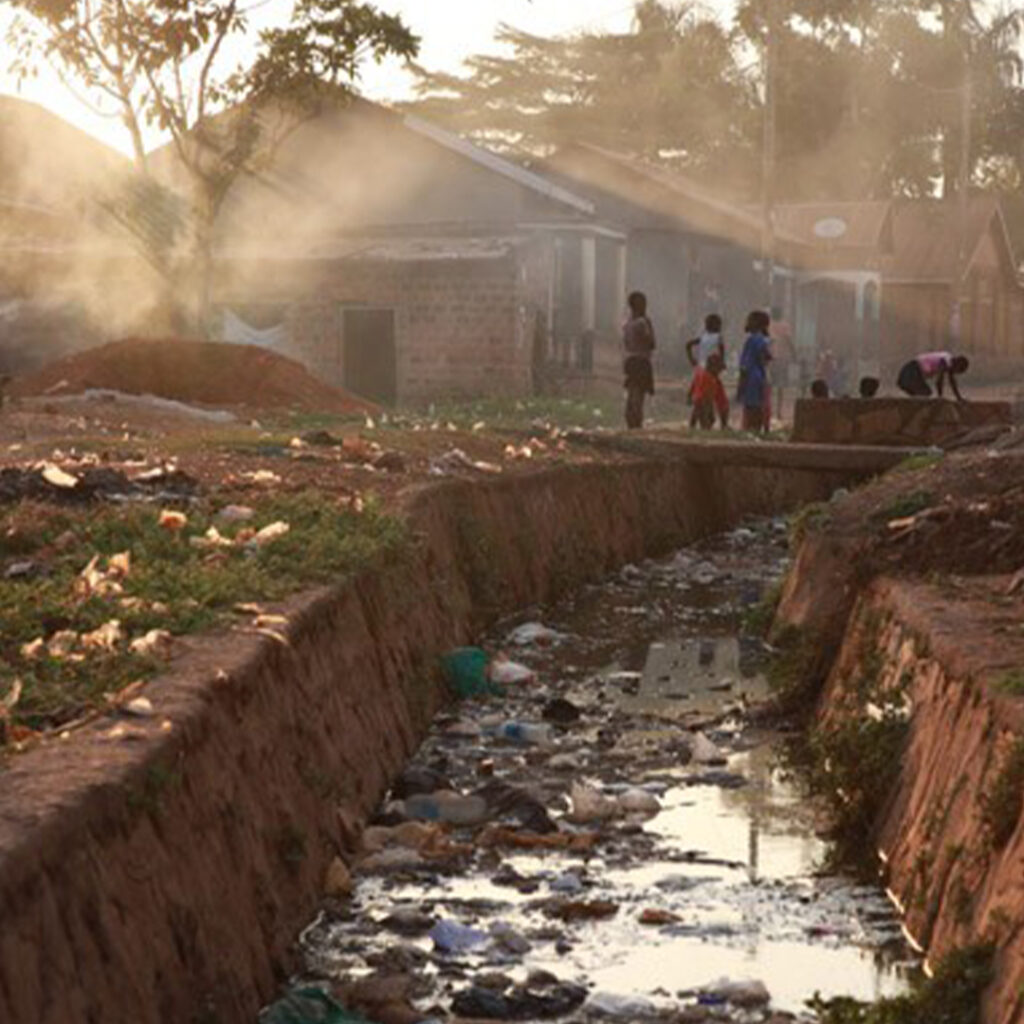
In May 2020, in the midst of the COVID-19 pandemic, Harvest Foundation conducted a rapid situation assessment in the slum communities of Makindye Ssabagabo Municipality to understand the impact of the crisis on the socio-economic conditions of slum dwellers. The findings revealed a devastating reality: while the pandemic affected nearly all demographics, its impact was especially severe on women, children, youth, people living with HIV, and persons with disabilities—groups already facing systemic vulnerabilities and poverty.
The assessment showed that COVID-19 had worsened an already fragile situation marked by inadequate access to essential social services such as healthcare, clean water, food, and shelter. In densely populated slum settlements, observing WHO-prescribed preventive measures—such as social distancing and frequent handwashing—was nearly impossible. A typical slum household often consists of 7–10 people crammed into a 10ft x 10ft room, making physical distancing unfeasible. Meanwhile, chronic water shortages made handwashing a luxury, with a 20-liter jerrycan costing between UGX 300–500, a price many could not afford, especially in the absence of stable incomes.
With the economy nearly at a standstill due to a prolonged 8-month lockdown, most families—many of whom rely on daily informal work—lost their primary sources of income. This led to extreme food insecurity, where some households could not afford a single meal for days. Additionally, the lockdown triggered a dramatic increase in gender-based violence (GBV), as men—overwhelmed by the pressure of failing to provide for their families—became more prone to domestic violence.
Access to lifesaving health services also deteriorated, particularly for people on lifelong treatments like Antiretroviral Therapy (ART). Due to movement restrictions, many could not reach health centers to collect their monthly medication, putting their lives at grave risk, as missing a single dose of ART can lead to serious health consequences.

Open Doors for Compassion and Support!
We warmly welcome individuals from all walks of life who are passionate about making a difference. Our doors are always open to those who wish to contribute their time, resources, or expertise to support and uplift others. Whether you’re looking to volunteer, collaborate, or provide assistance in any way, we encourage you to join us in our mission of creating a more supportive and inclusive community.
Emergency Response by Harvest Foundation
In response to this dire situation, Harvest Foundation swiftly launched a rapid emergency relief program in June 2020, targeting the most affected slum communities within Makindye Ssabagabo. The immediate priority was to address hunger, the most urgent and widespread concern among residents. The Foundation distributed over 20 tons of maize flour and 3 tons of beans to approximately 500 individuals, providing temporary relief to families on the brink of starvation.
While this intervention brought critical support to some, the needs in the slums remain overwhelming, with an estimated population of over 5,000 slum residents in the municipality—meaning that only a tenth of those in need were reached in the first phase.
Recognizing the multidimensional nature of the crisis, Harvest Foundation also committed to a long-term strategy aimed at improving slum dwellers’ access to healthcare, clean water, safety, and protection from GBV. Plans were initiated to engage local government authorities and duty bearers to advocate for increased investment and policy attention toward these neglected communities. The goal is to ensure a more sustainable, inclusive, and resilient recovery, while safeguarding the dignity and rights of the urban poor during and beyond the pandemic.
This emergency initiative illustrates Harvest Foundation’s steadfast commitment to standing with the most vulnerable—especially in times of crisis—ensuring that no one is left behind.

See Your Transparent Donation Causes