HARVEST FOUNDATION conducted a research study in 2016 on solid waste disposal in Kampala City. The study revealed that Kampala Capital City Authority (KCCA) collects as little as 15% of the solid waste generated in the city. Residents have limited alternative means for managing their solid waste, which has led to a high incidence of illegal dumping in open spaces and drainage channels, as well as open-air burning of waste near homesteads.
This problem is especially severe in slum areas, which are characterized by congested housing, poor drainage systems, and inadequate road networks—factors that hinder access by KCCA waste collection trucks.
Blocked drainage channels frequently cause severe flooding during the rainy season. In low-lying areas, floodwaters can submerge entire streets, enter buildings, disrupt businesses, and increase the risk of waterborne diseases and drowning. For example, in the slums of Bwaise, there have been 65 reported deaths over the past five years due to drowning and waterborne illnesses resulting from flooding. Many residents also struggle to maintain household incomes during flood periods. Business disruption significantly affects the livelihoods of slum dwellers, many of whom operate small businesses and have little or no savings to cushion such challenges.
Furthermore, the open burning of waste contributes to the already poor air quality in Kampala, leading to respiratory illnesses and other health hazards.
Given the social and economic problems caused by poor solid waste disposal, there is a critical need to design and implement an integrated solid waste management system. This system should actively involve all stakeholders—from the slum communities that generate the waste to KCCA, which is responsible for upholding citizens’ right to a healthy and clean environment.

Burning waste is the other common method of garbage disposal. Waste is often burnt indiscriminately near children, homesteads, and cooking areas leading to respiratory diseases from the air pollution released.
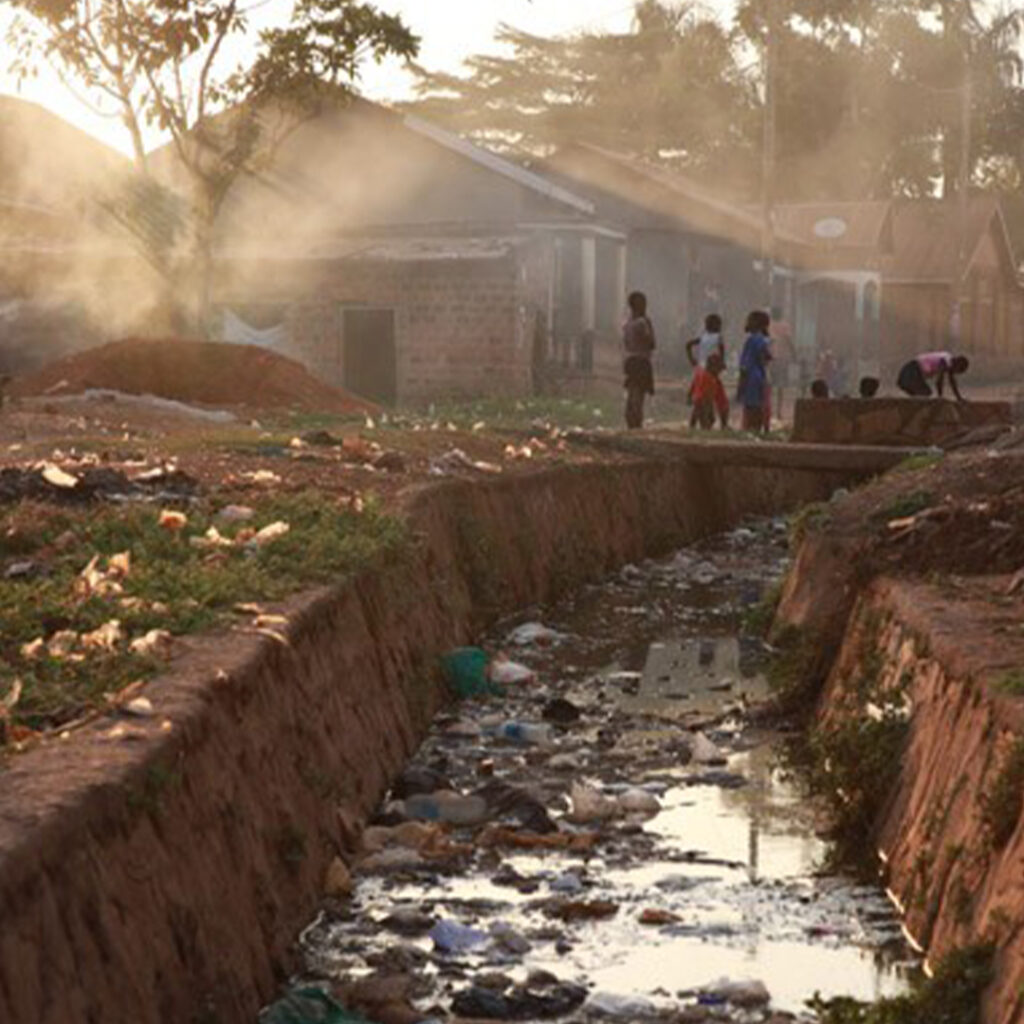
Drainage channels are strewn with waste, completely blocking the flow, creating stagnant water and leading to the spread of typhoid, malaria and other water-borne diseases.